Top 10 Benefits of Copper Flexible Braid for Global Buyers

Time:2026-06-30 Author:Sienna
0%

Copper Flexible Braid is a crucial component in various industries, offering unique advantages for global buyers. The global market for copper flexible braids is projected to grow significantly, reaching USD 1.2 billion by 2027, with a CAGR of 6.5% according to a recent report by Markets and Markets. This substantial growth reflects the increasing demand for efficient electrical conductivity and flexibility in applications ranging from electronics to renewable energy solutions.

One of the defining features of Copper Flexible Braid is its adaptability. It combines high conductivity with mechanical flexibility, making it an ideal choice for intricate designs. Daily operations in industries like automotive and telecommunications rely heavily on this material. However, some users may overlook the maintenance aspects. Over time, wear and tear can affect performance, highlighting the need for regular inspections.

Moreover, the environmental impact of copper extraction poses challenges. Sustainable practices must be adopted to mitigate concerns. The reputation of products also hinges on quality. Buyers should seek manufacturers known for their expertise and commitment to high standards. Understanding these elements can empower global buyers to make informed decisions regarding Copper Flexible Braid.
Top 10 Benefits of Copper Flexible Braid for Global Buyers

Overview of Copper Flexible Braid and Its Applications

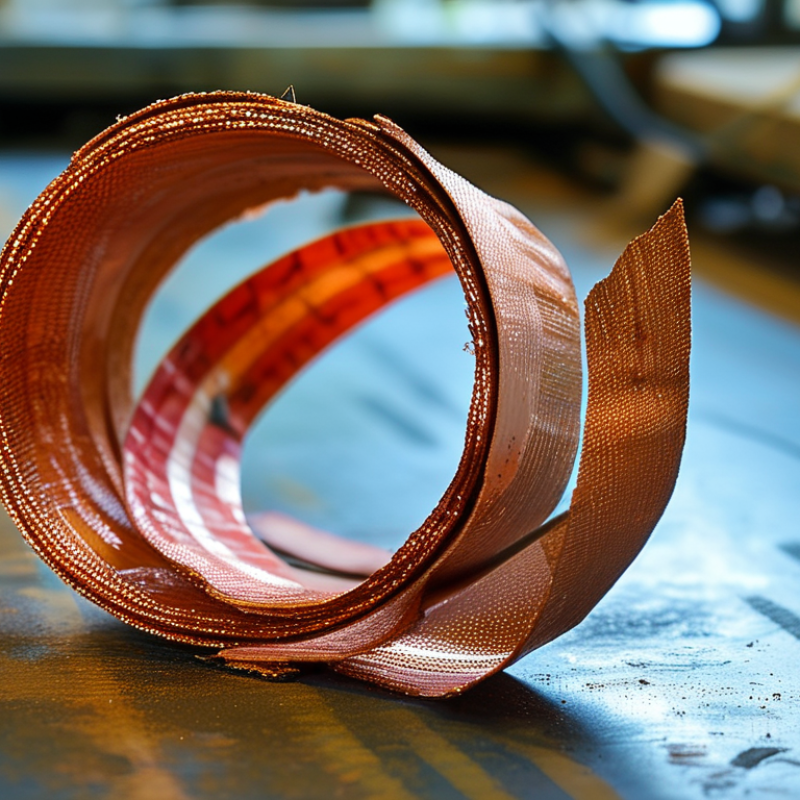
Copper flexible braid is a versatile material widely used across various industries. It consists of multiple intertwined copper strands that provide excellent flexibility and conductivity. This makes it suitable for applications requiring both durability and reliability.

In electrical systems, copper flexible braid offers exceptional performance. It is commonly used in grounding applications, ensuring safety and effective current distribution. Moreover, its ability to withstand vibrations makes it ideal for machinery and equipment. These features improve the longevity and efficiency of operational systems.

The aerospace and automotive industries also utilize copper flexible braids. They connect components that experience motion or thermal expansion. This connection prevents potential failures that could arise from rigid materials. However, despite these benefits, it is essential to consider environmental factors. Copper can tarnish over time, impacting conductivity. Regular maintenance and checks are necessary to ensure optimal functioning.

Key Benefits of Copper Flexible Braid for Electrical Connections

Copper flexible braids are crucial for secure electrical connections. Their unique design allows flexibility while maintaining conductivity. This makes them ideal for applications where movement might occur. They adapt well to various shapes and sizes. This flexibility can prevent potential damage to wiring.

The conductivity of copper is well-known. It ensures minimal resistive loss. This is vital in maintaining efficiency in electrical systems. Additionally, copper braids can withstand high temperatures. They are resistant to corrosion, enhancing their lifespan. These qualities make them reliable for both indoor and outdoor applications.

However, users should consider the potential for wear over time. Regular inspections can help maintain performance. It's also important to ensure proper installation techniques. Even minor errors can lead to connectivity issues. Proper training and resources can mitigate these risks, ensuring long-lasting effectiveness. Using copper flexible braids enhances overall system reliability when done correctly.

Top 10 Benefits of Copper Flexible Braid for Electrical Connections

Durability and Reliability of Copper Flexible Braid in Various Environments

Copper flexible braid is known for its exceptional durability and reliability. It withstands various environmental challenges, ensuring that it remains an integral part of many applications. The unique properties of copper allow it to cope with extreme temperatures and moisture levels. In harsh industrial settings, this braid maintains performance, preventing failures that can disrupt operations.

The flexibility of copper braid also adds to its versatility. It can easily adapt to different shapes and sizes without compromising its integrity. This adaptability is crucial in fields like aerospace, automotive, and telecommunications. A strong bond with other materials can be achieved, enhancing overall system performance. However, it is essential for buyers to evaluate the quality of copper used. Low-quality materials can lead to premature wear and decreased reliability.

Many industries rely on copper flexible braid for grounding and shielding. This ensures safety and reduces electromagnetic interference. Nevertheless, improper installation can lead to issues, highlighting the importance of skilled technicians. Regular inspections can identify potential problems before they escalate. Buyers should be aware of these factors to maximize the benefits of copper flexible braid in their specific applications.

Top 10 Benefits of Copper Flexible Braid for Global Buyers

Benefit Description Applications Environment Suitability
Durability High resistance to wear and tear, promoting long-term use. Electrical connections, automotive wiring. Indoor and outdoor environments.
High Conductivity Superior electrical conductivity ensures efficient performance. Power generation, telecommunications. Controlled temperatures and dry conditions.
Flexibility Easily bends and shapes without damage. Flexible circuit boards, wearable technology. Various environments.
Corrosion Resistance Resistant to oxidation and corrosion. Marine applications, outdoor electrical systems. High humidity environments.
Thermal Conductivity Effective heat dissipation for components. Cooling systems, electronic devices. Heat-intensive environments.
Low Electrical Resistance Minimizes energy loss during operation. Power distribution, electrical grids. Indoor and outdoor environments.
Cost-Effective Long lifespan reduces the need for frequent replacements. Various manufacturing applications. General use environments.
Environmental Stability Stable performance across a variety of temperatures. Industrial applications, extreme environments. Temperature-controlled environments.
Compatibility Works well with various metals and materials. Mixed metal applications. Diverse application environments.

Cost-Effectiveness of Copper Flexible Braid for Global Buyers

Copper flexible braid is an attractive choice for global buyers, especially regarding cost-effectiveness. It offers excellent conductivity and durability at a fraction of the price of solid copper alternatives. This makes it a preferred material in various industries, including electrical, automotive, and marine applications. Flexible braid's lightweight nature can also lower shipping costs, adding to overall savings.

Tips for buyers: Consider the scale of your projects. Bulk purchasing might lead to better pricing. When evaluating options, assess your specific electrical and mechanical needs. While copper offers significant benefits, it's essential to reflect on the lifecycle cost. A seemingly low price can hide higher maintenance expenses over time.

While copper flexible braid is versatile, mistakes can occur. Buyers may underestimate the required flexural fatigue life, leading to potential failures. It's vital to conduct thorough research. Check compatibility with your intended application to avoid complications down the line. Miscalculations can lead to higher costs than initially anticipated. Ensure you weigh all aspects before finalizing your purchase.

Comparative Analysis: Copper Flexible Braid vs. Other Conductive Materials

When comparing copper flexible braid to other conductive materials, several factors come into play. Copper is known for its superior electrical conductivity. This makes it an ideal choice for applications requiring efficient energy transfer. In contrast, materials like aluminum may be less efficient, leading to potential energy losses. Additionally, copper's flexibility allows it to adapt easily to various configurations.

Other materials, such as silver, provide excellent conductivity but are often more expensive. Cost is a critical factor for global buyers. While silver might perform better in specific scenarios, its price can limit its use in large-scale applications. Copper flexible braid strikes a balance between performance and cost, making it a popular choice for many industries.

Durability is another aspect to consider. Copper resists corrosion better than some alternatives. This longevity provides peace of mind for buyers who seek reliable materials in demanding environments. However, buyers should also consider the environmental impact of mining copper. Reflecting on these factors helps ensure informed decisions in material selection.

FAQS

: What is copper flexible braid?

: Copper flexible braid consists of intertwined copper strands. It is flexible and offers excellent conductivity.

Where is copper flexible braid commonly used?

It is widely used in electrical systems, aerospace, and automotive industries for grounding and connections.

What are the benefits of using copper flexible braid in electrical systems?

It ensures effective current distribution, enhances safety, and withstands vibrations. This improves longevity of systems.

How does copper flexible braid perform in harsh environments?

It handles extreme temperatures and moisture levels. This prevents operational failures in industrial settings.

What should be considered regarding copper braid maintenance?

Regular maintenance is essential to prevent tarnishing, which can affect conductivity and performance over time.

How does flexibility contribute to copper braid's utility?

Its adaptability allows it to fit various shapes without losing integrity, critical in many applications.

What issues can arise from improper installation of copper braid?

Poor installation can cause operational problems. Skilled technicians are crucial to ensure correct implementation.

Why is the quality of copper important?

Low-quality copper can result in premature wear, compromising reliability and overall performance of the braid.

How can regular inspections help in using copper braid?

Inspections can identify potential problems early, preventing costly failures and ensuring optimal operation.

What is an important consideration for buyers of copper flexible braid?

Buyers should evaluate the quality of materials used and ensure proper installation for maximum effectiveness.

Conclusion

Copper Flexible Braid is a versatile conductor widely used in multiple electrical applications due to its impressive set of features. Its key benefits include excellent conductivity, which ensures efficient electrical connections, and enhanced durability, making it reliable in various challenging environments. The ability of Copper Flexible Braid to withstand mechanical stress and provide stable performance under different conditions further solidifies its position as a preferred choice among global buyers.

Furthermore, Copper Flexible Braid is cost-effective, offering competitive pricing without compromising quality. A comparative analysis shows that it outperforms many other conductive materials, making it an ideal investment for businesses seeking long-lasting and reliable solutions. Overall, the advantages of Copper Flexible Braid in terms of durability, efficiency, and cost make it an essential component for electrical systems worldwide.


Sienna

Sienna

Sienna is a skilled marketing professional with a deep expertise in our company’s core products and services. With a passion for innovation and detail, she plays a pivotal role in crafting insightful blog posts that not only highlight the unique features of our offerings but also provide valuable......