In the world of electrical engineering, choosing the right materials is crucial. Braided Copper stands out for its unique properties. David Thompson, a leading expert in electrical conductivity, once stated, "Braided Copper offers unmatched flexibility and strength for modern electrical needs." This statement highlights the significance of this material.
Braided Copper is known for its excellent conductivity. Its design allows for flexible installation, making it ideal for various applications. Moreover, its resistance to fatigue makes it a reliable choice. Many industries depend on it for their critical systems. However, not all braided copper products are created equal. Purchasing from reputable suppliers is essential.
While Braided Copper has many advantages, costs can be a concern. Some may hesitate due to pricing. Yet, investing in quality materials often leads to better performance and lower maintenance costs. In the end, the choice of Braided Copper may very well determine the success of electrical projects.
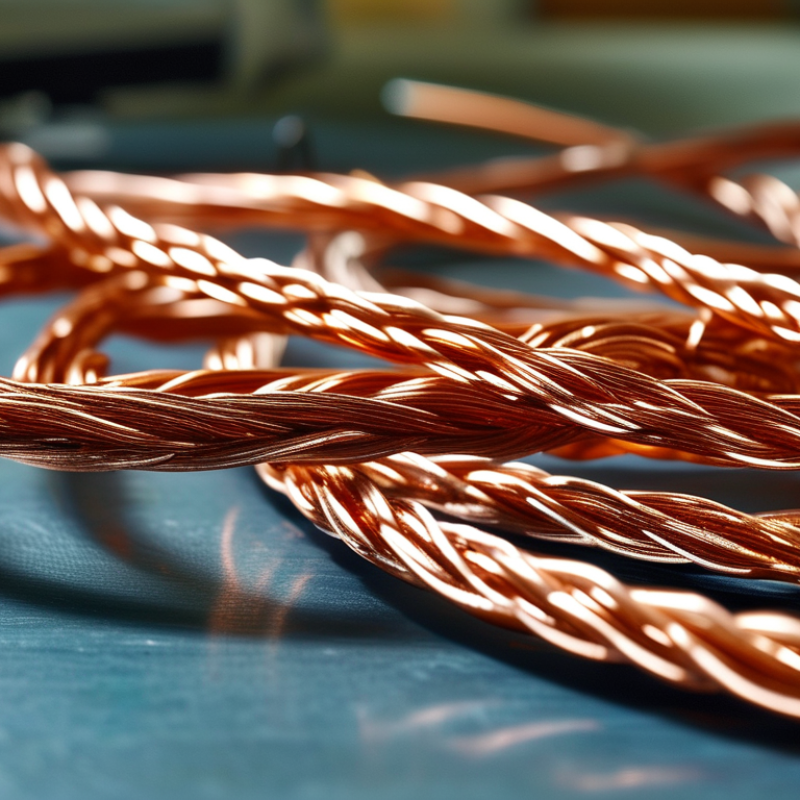
Advantages of Braided Copper Over Traditional Electrical Conductors
Braided copper offers several advantages over traditional electrical conductors. Its flexibility is a significant benefit. This flexibility allows easy installation in tight spaces. Electricians often prefer it for complex wiring setups.
The braided design also improves durability. It can withstand more movement without compromising conductivity.
Another key advantage is the enhanced conductivity. Braided copper has a larger surface area. This means electricity can flow more freely. Reduced resistance contributes to efficiency. In applications like audio and communication systems, this quality is crucial. Users often notice clearer signals and reduced interference.
However, it's essential to consider potential downsides. Braided copper may require more careful handling. The installation process can be more intricate. Improper installation might lead to performance issues. Still, the benefits often outweigh these challenges for many applications. Electricians increasingly recognize the value of braided copper in modern electrical design.
Understanding the Conductivity and Flexibility of Braided Copper
Braided copper is increasingly popular in electrical applications due to its unique properties. One major advantage is its impressive conductivity. Copper itself is known for its ability to efficiently carry electrical current. When braided, it offers greater surface area, enhancing this conductivity further. This means less energy loss during transmission. For industries relying on high efficiency, this is essential.
Flexibility is another key feature of braided copper. The design allows it to bend and twist without breaking. This is critical in applications where space is limited or movement is necessary. However, this flexibility may come at the cost of robustness. Some users find that braided copper can be less durable than solid copper in certain environments. It's important to reflect on the specific needs of your project before making a choice.
That said, braided copper provides excellent performance in many contexts. It adapts well to various applications, from robotics to renewable energy systems. Users often report satisfaction with its versatility. Yet, some may experience challenges, like fraying or wear over time. Regular inspections can help in maintaining its effectiveness. Understanding these nuances is vital for optimizing performance in your electrical projects.
Applications of Braided Copper in Various Industries
Braided copper is increasingly popular in various industries for its unique properties. It offers high conductivity, flexibility, and resistance to corrosion. These characteristics make it ideal for applications requiring reliable electrical connections.
In the telecommunications industry, braided copper cables are essential. They reduce interference and enhance signal strength. Technicians often prefer this material due to its durability and lightweight nature. It's easy to handle, making installation more efficient.
In aerospace, braided copper wires are used in critical systems, ensuring safety and performance during flight. Engineers trust them for their ability to withstand extreme conditions.
However, not all applications benefit equally from braided copper. Some settings may require alternative solutions. The tensile strength, while impressive, can be a weakness if not properly managed. Certain industries may overlook this aspect, leading to potential failures. Careful consideration is crucial when selecting materials for specific roles.
Comparative Analysis: Braided Copper vs. Other Materials
Braided copper has become a popular choice for electrical applications, but how does it measure up against other materials? Conductivity is key. Copper boasts excellent electrical conductivity, significantly outperforming aluminum and other alternatives. This characteristic ensures minimal energy loss, which is essential for efficient power transmission.
Durability is another critical factor. Braided copper is more resilient to flexing and bending than solid copper and aluminum. This flexibility allows for easier installation in tight spaces. However, users should consider the propensity of braided copper to fray. While durable, improper handling can lead to exposed wires, raising safety concerns.
Cost efficiency is also a key aspect of this comparison. Braided copper generally costs more upfront than aluminum. Yet, its longevity can lead to savings over time. The mechanical properties of braided copper often mean fewer replacements. In contrast, aluminum can be cheaper but may require more maintenance. Each material has its strengths and weaknesses, and understanding these can guide better decisions for specific electrical needs.
Maintenance and Longevity of Braided Copper Conductors
Braided copper conductors are renowned for their impressive longevity and low maintenance requirements. A report by the International Copper Association indicates that copper's durability can significantly extend the lifespan of electrical systems. Unlike traditional wiring, braided copper is less susceptible to fatigue and corrosion. This leads to fewer replacements and repairs, ultimately lowering operational costs.
Moreover, braided copper's flexibility allows for better adaptability in demanding environments. Field data shows that these conductors can sustain performance even in extreme temperatures and harsh conditions. Many electrical engineers advocate for their use due to these properties. However, it’s worth noting that while braided copper may present cost advantages in the long term, initial investments can be higher.
Regular testing and maintenance practices can improve their effectiveness. A study highlighted that even minor maintenance tasks can enhance the conductivity of braided copper. This encourages users to monitor these systems, promoting longevity. Though braided copper requires upfront planning, its reliability often outweighs the challenges in managing it.
FAQS
: Braided copper offers high conductivity, flexibility, and corrosion resistance. These features make it reliable for electrical connections.
It minimizes interference and enhances signal strength. Its lightweight nature makes it easy to handle and install.
Engineers trust it for critical systems to ensure safety and performance during flights under extreme conditions.
Yes, improper handling can lead to fraying, exposing wires and creating safety issues. Awareness is necessary.
Braided copper has better conductivity, ensuring minimal energy loss. However, it usually costs more upfront.
It is resilient to bending but needs careful handling. Damage can occur, leading to potential failures.
They must assess tensile strength and specific application needs. Mismanagement can lead to significant issues.
Yes, though it may be pricier initially, its longevity often results in fewer replacements and maintenance costs.
Conclusion
Braided Copper has emerged as a preferred choice for electrical needs due to its unique properties and advantages over traditional conductors. One of the key attributes of Braided Copper is its excellent conductivity and flexibility, which allows for efficient energy transmission while accommodating various installation configurations. This adaptability makes it suitable for use in diverse industries, from telecommunications to automotive, where reliable performance is crucial.
Furthermore, a comparative analysis highlights that Braided Copper outperforms many other materials in terms of durability and maintenance, ensuring a longer lifespan and reducing the frequency of replacements. Its design not only enhances electrical performance but also provides a level of resilience that is increasingly important in modern applications. Overall, selecting Braided Copper for electrical applications is a decision that combines efficiency, versatility, and longevity.

 Xingma