What is Tinned Copper and Why is it Important for Buyers?

Time:2026-07-17 Author:Madeline
0%

Tinned Copper is a crucial material in various industries, known for its outstanding conductivity and corrosion resistance. Recent industry reports highlight that the global demand for Tinned Copper products has increased by over 15% annually, reflecting its growing importance. Buyers need to understand why this material is vital for their applications.

One of the primary reasons for using Tinned Copper is its ability to enhance electrical performance. The tin coating protects the copper from oxidation, ensuring a reliable connection in electronic devices. However, some manufacturers may compromise quality for cost-cutting. This can lead to subpar products that fail under stress. Thus, buyers must assess the reliability of their suppliers.

In addition, Tinned Copper is environmentally friendly compared to other materials. Its recyclability and durability contribute to sustainable practices. Many industry leaders advocate for its use, but not all enforce rigorous standards. This inconsistency can create challenges for purchasers trying to make informed choices. Understanding Tinned Copper's value and its implications is essential for making wise buying decisions.
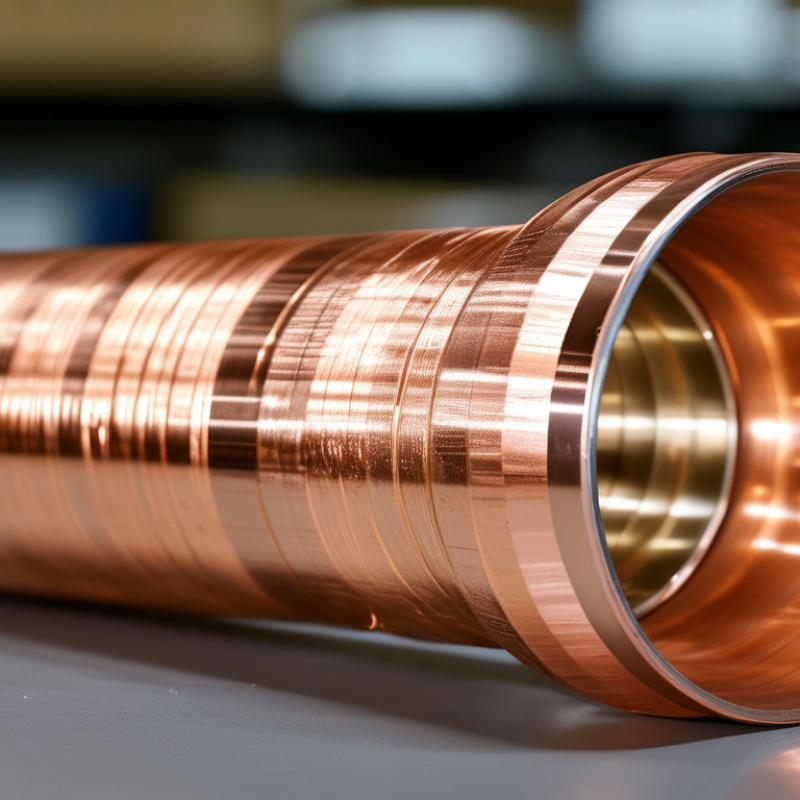
What is Tinned Copper and Why is it Important for Buyers?

Definition and Composition of Tinned Copper

Tinned copper is copper that is coated with a thin layer of tin. This coating enhances its resistance to corrosion, making it a preferred choice for various applications. In industries such as electronics and telecommunications, tinned copper wires are crucial. The tin coating allows for better solderability, ensuring secure connections.

The composition of tinned copper involves combining high-purity copper with a tin layer. The thickness of the tin can vary, offering options for different needs. Typically, this combination ensures excellent conductivity while providing protection against environmental factors. Buyers should be aware of the specific requirements for their projects, as some applications may demand thicker coatings.

In addition to its practical benefits, the market for tinned copper can be competitive. Some suppliers may not provide transparent information about their processes or materials. It’s important for buyers to verify the quality and reliability. Engaging with suppliers who have a track record fosters trust and ensures that tinned copper meets necessary standards. This is an ongoing concern in any transaction.

Tinned Copper Usage in Various Industries

Applications of Tinned Copper in Various Industries

Tinned copper is widely used across various industries due to its excellent conductivity and corrosion resistance. In the electrical sector, it is a favored choice for wiring and connectors. Tinned copper wires are durable and less prone to oxidation, making them ideal for long-term electrical applications. This ensures safety and efficiency in power transmission.

In telecommunications, tinned copper is vital for cable manufacturing. It enhances signal quality and minimizes interference. The protective tin coating prevents corrosion, which can degrade performance. This is crucial in outdoor and harsh environments. Buyers should consider environmental factors when selecting tinned copper for their projects.

Tips: Always check the thickness of the tin layer. A thicker layer provides better protection. Additionally, examine the solderability of the tinned copper. Good solderability ensures reliable connections in electrical applications. Remember, not all tinned copper is created equal. Look for certifications to ensure quality.

What is Tinned Copper and Why is it Important for Buyers?

Application Industry Benefits of Tinned Copper Typical Uses
Electrical Wiring Electrical & Electronics Corrosion resistance, improved solderability Power cables, circuit boards
Telecommunication Telecommunications Durability, conductivity Antenna lines, connectors
Automotive Wiring Automotive Heat resistance, reliability Sensor wiring, battery connections
Marine Applications Marine Resistant to saltwater corrosion Boat wiring, electronic systems
Industrial Equipment Industrial Enhanced conductivity and longevity Motors, generators

Benefits of Using Tinned Copper Over Untinned Copper

Tinned copper is a type of copper wire coated with a thin layer of tin. This coating offers several advantages over untinned copper. One of the main benefits is protection against corrosion. Tinned copper can withstand moisture and harsh environments better. This is why it is preferred in marine and industrial applications.

Using tinned copper can also enhance electrical performance. The tin layer reduces the risk of oxidation, which can cause resistance and hinder conductivity. This ensures that electrical connections remain reliable over time. For buyers, investing in tinned copper may lead to long-term savings. Reduced maintenance and fewer replacements mean a more efficient use of resources.

However, not every application may require tinned copper. In some cases, untinned copper can be adequate for indoor environments. Buyers need to analyze their specific needs. Understanding the context is key. Choosing the right material should never be taken lightly.

Factors Buyers Should Consider When Purchasing Tinned Copper

When considering the purchase of tinned copper, buyers must evaluate several critical factors. Tinned copper is an essential material known for its corrosion resistance and excellent conductivity. A 2022 report from the International Copper Association highlighted that the global tinned copper market is expected to grow by 5.3% annually. This emphasizes the increasing demand for high-quality materials in various industries, including renewable energy and electronics.

One vital factor is the tin coating thickness. Thicker coatings often offer better protection against oxidation, ensuring longevity in demanding environments. Buyers should also consider the purity of the copper itself. Higher purity levels can significantly enhance conductivity, which is crucial for applications in power transmission. A study revealed that copper with at least 99.9% purity can improve efficiency by up to 15% in electrical systems. Thus, selecting high-purity tinned copper can result in more reliable performance.

Price stability is another factor that cannot be overlooked. The volatility of copper prices affects the cost of tinned copper. Buyers should stay informed about market trends and consider long-term contracts to mitigate risks. While some industry experts suggest that the average price per kilogram of tinned copper may fluctuate, those who match their purchase timing with market conditions could secure better deals. Evaluating these factors can lead to more informed purchasing decisions.

Maintenance and Care for Tinned Copper Products

Tinned copper is an alloy known for its excellent conductivity and resistance to corrosion. For buyers, understanding the maintenance and care of tinned copper products is crucial to maximize their longevity and effectiveness. Proper care ensures that these products can last for decades, justifying their initial investment.

Cleaning tinned copper requires gentle techniques. Use a soft cloth and a mild soap solution. Avoid abrasive cleaners; they can scratch the surface. Regular cleaning helps maintain an attractive patina. According to a 2021 industry report by the Copper Development Association, proper maintenance can extend the lifespan of copper products by over 30%.

Tips for care include avoiding exposure to harsh chemicals and extreme temperatures. When storing tinned copper items, place them in a dry environment. Consider using anti-tarnish cloths during storage to prevent oxidation. Tinned copper's beauty and performance are sensitive to neglect. Reflect on your practices and adjust them accordingly for the best results.

FAQS

: What is tinned copper?

: Tinned copper is copper coated with a thin layer of tin. This coating helps resist corrosion.

Why is tinned copper important in industries?

It offers better solderability and secure connections in electronics and telecommunications.

How does the thickness of the tin coating affect tinned copper?

Thicker coatings provide better oxidation protection and longevity in demanding environments.

What should buyers consider about copper purity?

Higher purity improves conductivity, which can enhance efficiency by up to 15% in electrical systems.

How can market trends impact the price of tinned copper?

Copper prices can be volatile, so staying informed about trends helps buyers secure better deals.

What is the recommended way to clean tinned copper?

Use a soft cloth with mild soap. Avoid abrasive cleaners to protect the surface.

How can proper maintenance affect the lifespan of tinned copper products?

Care can extend their lifespan by over 30%, justifying the initial investment.

What should be avoided to maintain tinned copper?

Avoid harsh chemicals and extreme temperatures to prevent damage.

How should tinned copper be stored?

Store in a dry environment, preferably using anti-tarnish cloths to prevent oxidation.

Why is it important to engage trustworthy suppliers?

Reliable suppliers ensure quality and transparency in tinned copper transactions, fostering trust.

Conclusion

Tinned Copper is a highly regarded material in various industries due to its unique properties. It is essentially copper coated with a layer of tin, which enhances its resistance to corrosion and improves its electrical conductivity. The applications of Tinned Copper are diverse, ranging from electrical wiring to telecommunications, where its durability and performance are crucial.

One of the significant advantages of using Tinned Copper over untinned alternatives is its ability to withstand harsh environmental conditions, making it a preferred choice for many professionals. Buyers should consider factors such as the thickness of the tin coating, the intended application, and maintenance requirements when purchasing Tinned Copper products. Proper care and maintenance can extend the life of Tinned Copper, ensuring optimal performance and value.


Madeline

Madeline

Madeline is a dedicated marketing professional with a wealth of expertise in our company's core offerings. With a keen understanding of the industry, she brings a unique perspective to her role, consistently delivering high-quality content that highlights the superior aspects of our products. As......