 Xingma
Technical Whitepaper: Silver Contacts in Maritime Tropical Environments
1. Maldives Industrial & Electrical Landscape: The Coastal Challenge
The Republic of Maldives presents one of the most demanding operational environments in the world for electrical switchgear and electrical distribution networks. With an economy dominated by luxury tourism resorts scattered across hundreds of low-lying islands, power distribution relies heavily on decentralized diesel microgrids, hybrid photovoltaic (PV) solar arrays, and high-capacity seawater desalinization plants.
In these locations, air containing high concentrations of sodium chloride, elevated relative humidity (frequently exceeding 80%), and high ambient temperatures creates an aggressive electrochemical environment. Under these conditions, conventional base metal electrical contacts undergo rapid galvanic oxidation and pitting. Silver, while possessing the highest thermal and electrical conductivity of any metal, is susceptible to tarnishing via silver sulfide (Ag₂S) formation when exposed to trace atmospheric sulfur compounds (commonly present in marine diesel exhausts). Over time, this creates a high-resistance film, increasing contact resistance, causing thermal runaway, and ultimately resulting in catastrophic switchgear failures.
To mitigate this risk, global engineering procurement contractors (EPCs) operating in the Maldives require highly engineered bimetal silver alloy contacts (such as AgSnO₂ and AgNi) protected by specialized anti-corrosive overlays to ensure reliable performance of critical switches and relays.
“Without high-integrity metallurgy, electrical contacts exposed to salt-spray and thermal cycling suffer from micro-arcing and accelerated contact erosion, compromising the operational safety of remote island resort grids.”
2. Metallurgy & Technical Specifications of Marine-Grade Silver Contacts
Selecting the correct silver contact composition depends heavily on the electrical load and switching frequency:
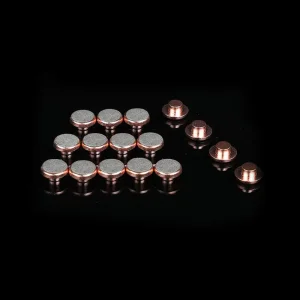
- Silver Tin Oxide (AgSnO₂): Widely recognized as the premier environmental alternative to traditional Silver Cadmium Oxide (AgCdO). AgSnO₂ offers exceptional resistance to material transfer and arc erosion. In the Maldives' solar power inverter stations and marine pumps, AgSnO₂ contacts handle high inrush currents without welding or degrading.
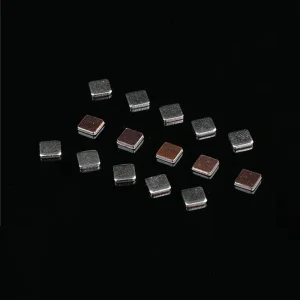
- Silver Nickel (AgNi): Characterized by high electrical conductivity and excellent mechanical wear resistance, making it suitable for low-to-medium electrical loads in control switches and relays. Its microstructural integrity ensures stable contact resistance over millions of operations.
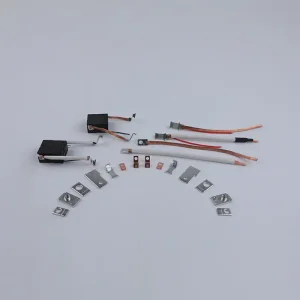
- Silver Copper (AgCu) Bimetal Contacts: Combining the superior surface conductivity of silver with a structural copper backing reduces raw material costs while optimizing heat dissipation. This configuration is crucial for heavy-duty circuit breakers and marine generator transfer switches.
3. Sourcing Strategy for Maldivian Industrial Procurement Directors
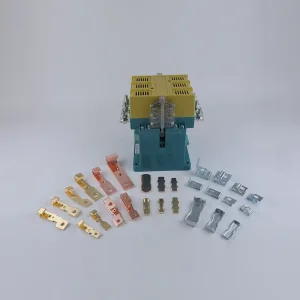
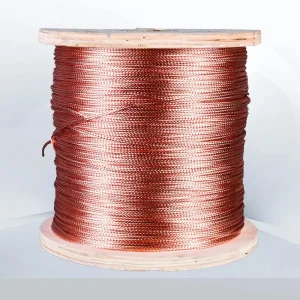
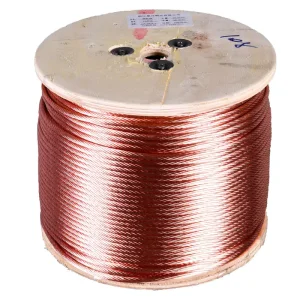
For operations teams managing resorts or infrastructure projects in the Maldives, procuring directly from specialized manufacturers in China's electrical capital, Liushi, offers major advantages. Importing custom-stamped, precision-welded contact points and flexible copper busbars ensures consistent supply and allows for custom material compositions designed to withstand local environmental challenges.
Key parameters for procurement checklists include verifying ISO9001:2015 quality control systems, ensuring compliance with RoHS standards (eliminating hazardous cadmium), and testing salt-spray resistance to confirm materials will perform reliably in coastal environments.